

Keystone Species Protection
What to KnowColorado’s prairie dogs are more than a species — they are a keystone of our natural heritage. And when their future was at risk, our community rose.
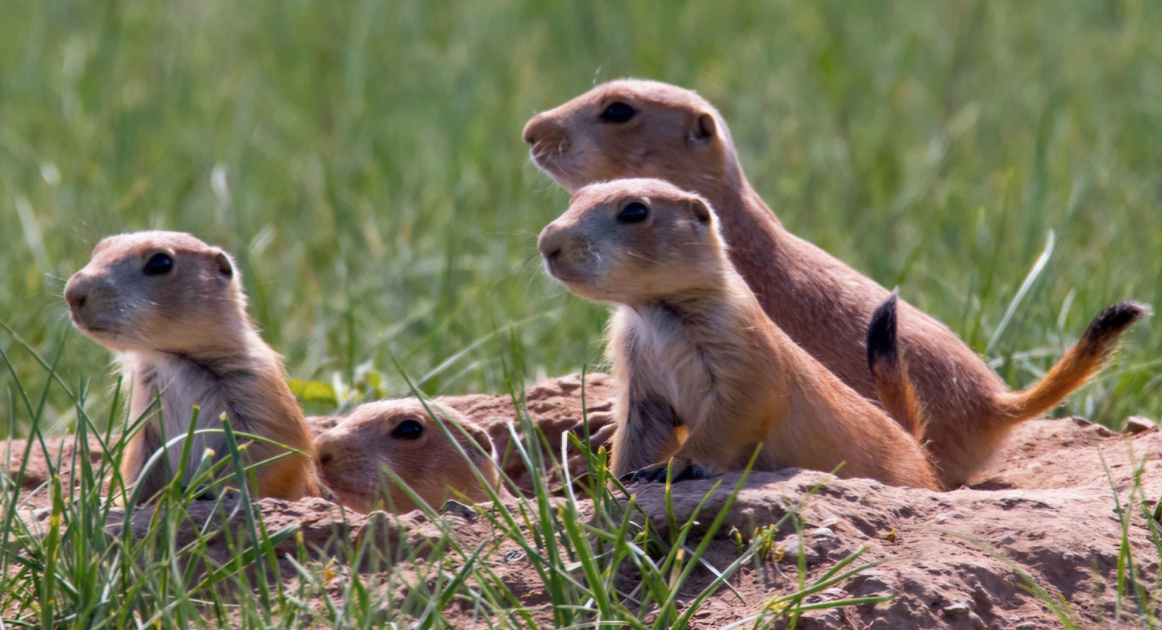
Tindakan, alongside fierce and devoted wildlife advocates from Longmont and neighboring communities, helped champion and secure an ordinance that strengthens protections for prairie dogs and the rich web of life that depends on them. From burrowing owls to native grasses, entire ecosystems are connected to these remarkable animals.
The result? Greater safeguards. More humane relocation opportunities when development encroaches. And a powerful reminder that when communities take action, wildlife has a fighting chance.
Because protecting prairie dogs isn’t just about one species — it’s about defending the balance of life on the land we share with them.
Since the ordinance was enacted, over 3,000 prairie dogs have been humanely relocated to new habitat.
Rewilding In Action
Prairie Dog Restoration & Black footed Recovery
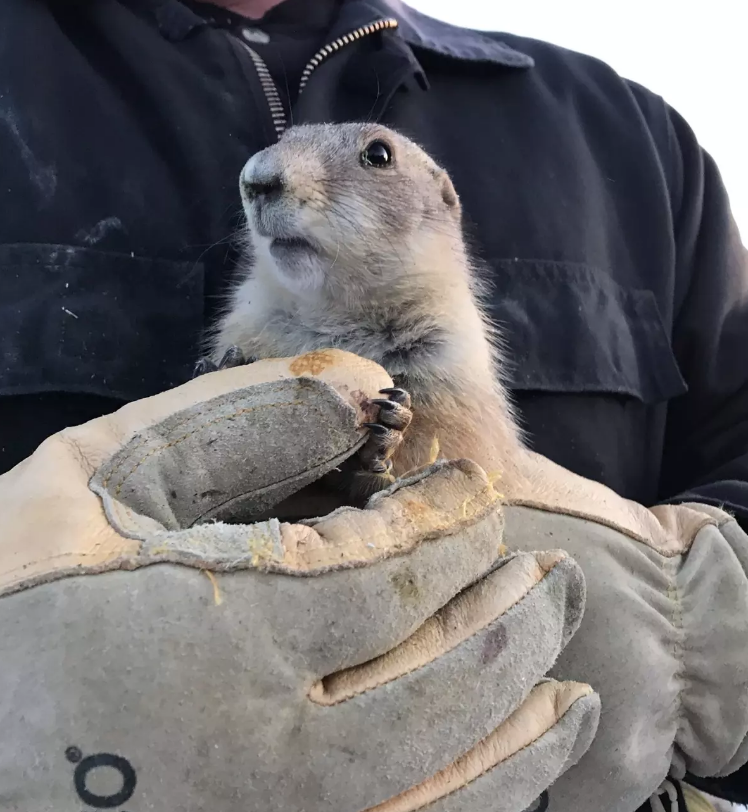
U.S. Army Pueblo Chemical Depot contains some of the oldest undisturbed shortgrass prairie habitat in the Colorado, which is home to a variety of wildlife including burrowing owls, swift foxes, ferruginous hawks, golden eagles, coyotes, and badgers. Many of these species rely on black-tailed prairie dog populations for food and habitat. A major plague event in 2015 and 2016 wiped out most of the prairie dog populations on the base. Natural resources manager Rickey Jones implemented a large-scale prairie dog translocation project to restore these historic populations on the base starting in 2019 and continuing into 2023. He coordinated with numerous stakeholders including U.S. Army, Colorado Parks and Wildlife, Colorado State University-Pueblo, Colorado Natural Heritage Program, U.S. Department of Agriculture Wildlife Services, Colorado Department of Transportation, the Prairie Dog Coalition and Tindakan.
The translocation project involved trapping prairie dogs from property owned by Pueblo Chemical Depot, Colorado Department of Transportation, and private landowners and relocating these prairie dogs to a restoration site on the base. Re-establishing this population will help increase biodiversity on Pueblo Chemical Depot and the long-term goal is to have enough occupied prairie dog colonies to reintroduce Black-Footed Ferrets. Several graduate level research projects through the Colorado State University-Pueblo are examining prairie dog behavior and effects of these translocations.
Learn more about the prairie dog translocation project here
A Voice for the Voiceless Creates Space for Wildlife to Flourish
At the age of seven, Jeremy Gregory wanted more than anything to save the harp seals and blue whales. With the support of his parents, he ventured around his neighborhood conducting his first fundraising efforts; however, they would not be his last.
Having grown up in an eco-conscious, farming family with a grandmother who was a humane educator – before humane education was even a thing – and surrounded by strong women whose lived lives illustrated the connection between feminist values and eco-consciousness, Jeremy was destined to become a strong voice for the voiceless.
As the co-founder and director of Tindakan – a nonprofit that supports solution-based endeavors that focus on ecological and social justice causes around the globe – Jeremy’s passion for creating a better world led him to work on the Prairie Dog Relocation Project.